Tag: movies

  • Mission: Impossible – The Final Reckoning (2025)

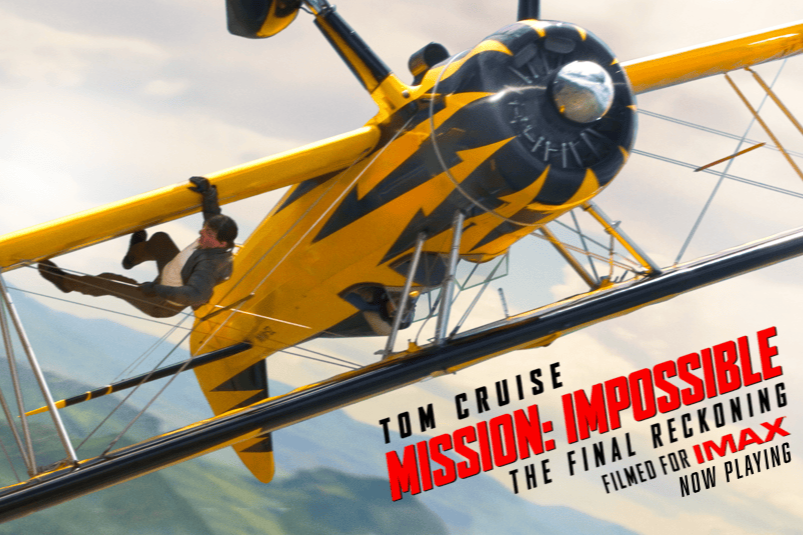
    Mission: Impossible – The Final Reckoning (2025)

    “Madam President, in order to save billions of lives, it is imperative that you sign off on nuclear attacks on London, Paris, Moscow, Beijing, Islamabad, Delhi, Pyongyang and Tel Aviv, and sacrifice one American city as contrition.”

    “You know as the President of the United States of America, I could never do that.”

    “I understand completely. We’ll nuke two American cities and spare Tel Aviv.”


    Bad! I’d consider myself somewhat ambivalent on the Mission: Impossible franchise as a whole—even the good ones are sort of patchy—but as derivative as Dead Reckoning was, I considered it still a jolly good time at the movies. This however is interminable. The first sequence explains what’s going on as if you’re going to suddenly be prompted to press start, but then every sequence after that, for what feels like three hours, is just characters saying over and over again how Tom Cruise (I mean… Ethan Hunt) is the ultimate human, not simply humanity’s chosen defender but the only one who could possibly defeat the antagonist. And that everything he had ever done was correct, even though it didn’t seem like it at the time. And if they’re not saying that, they’re recounting that the stakes are the complete annihilation of all life on Earth to the point where it feels completely meaningless.

    And bizarrely for a film that goes to such efforts to heighten the stakes, the action sequences badly lack them, because Tom Cruise (er, Ethan Hunt) is an invincible godlike being. There’s a lengthy underwater sequence that’s tense because Cruise is told repeatedly “if you do this, or that, you’ll 100% die” but then he breaks those rules and is completely fine. Then there’s an entire biplane sequence over a macguffin that legitimately makes no sense because it was already established that Cruise was trying to give the baddie the macguffin anyway!!!

    It does end in the most hilarious dispatching of an antagonist since probably Beyond The Black Rainbow, though. I seriously couldn’t believe how goofy it was.

    If you like any of the non-Tom Cruise characters, well, they get pretty much nothing to do. Excited to see Pom Klementieff again? Well, her character stands around to say a sentence in French now and again and to get absolutely no closure—and to be honest, she’s one of the lucky ones.

    Also this movie ends without Tom Cruise even doing what he said he was going to do? They spend all this time talking about how destroying the “Entity” would “destroy cyberspace”—literally they never refer to the internet, it’s always “cyberspace”—so I was kind of hoping for an Escape from LA ending here (greatest ending in cinema history) but no.

    The only reason that I’d assume this movie keeps the door slightly open for a sequel after all is that Tom Cruise was certain that this was finally going to be the one where a stunt killed him and he could finally rest.

    No such luck for him, but I don’t know why they have to punish the rest of us for it.

    Follow Mathew on Letterboxd.

  • Captain America: Brave New World (2025)

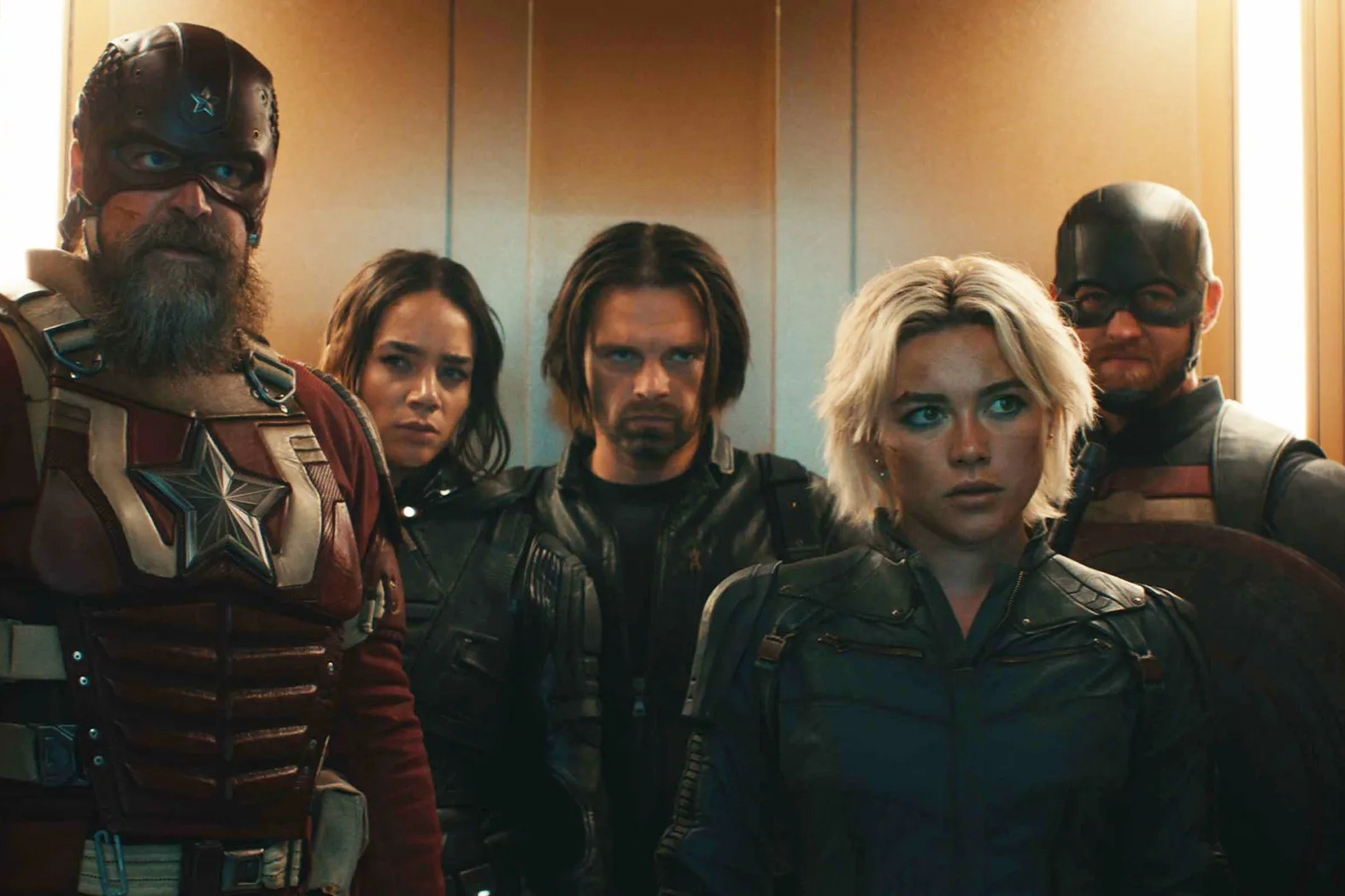
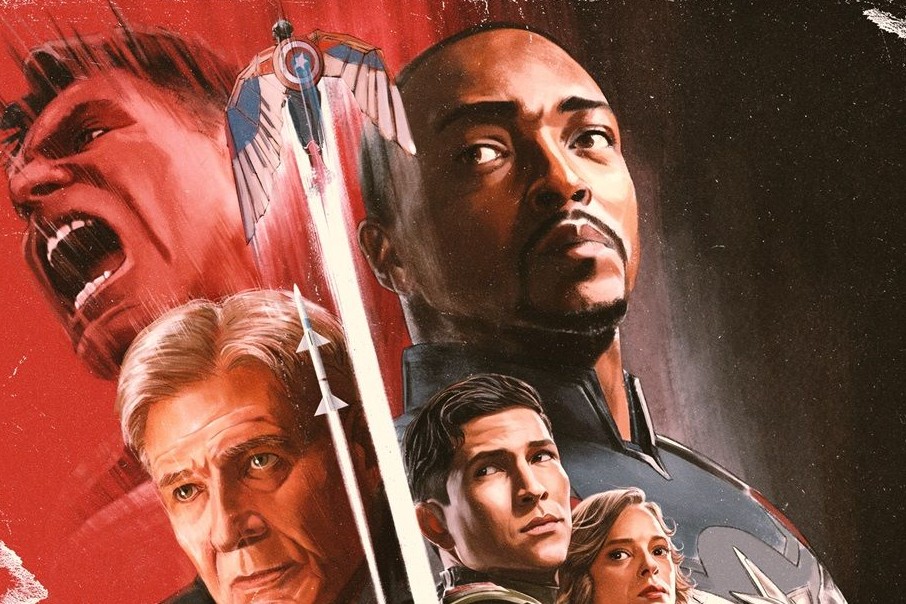
    Captain America: Brave New World (2025)

    I actually think this might be the worst one of these?

    I say this as someone who has sat through Eternals, to which this movie, bafflingly, decides to be a direct sequel. If the MCU is going to start binning off things like Kang, they’ve really got to suck it up and start retconning entire movies and TV shows that haven’t worked out. They happened in a different universe or whatever. It’s unfair to force me to remember things that suck.

    I suppose the joke is on me though because I still watched this. It feels like the kind of granularity required here is unnecessary, but watching this you understand there’s a difference between “soulless content” where people might have had “ideas”, “concepts”, perhaps even a “mindset” and “goals”–in films as bad as the aforementioned Eternals, or The Marvels–and something that seems to have been cobbled together for no other reason than to exist.

    It’s entirely possible this was intended to continue the kind of “vaguely spy thriller” feel of the earlier Captain America movies, which was pounded into mush by five different writers, countless more rewrites and reshoots, ending with what’s barely a conspiracy with a shifting reason from a hidden mastermind whose reveal leads to the kind of reaction the word “nonplussed” was invented for (unless you just laugh at how stupid he looks. How can you treat Tim Blake Nelson like this?)

    Like: this is a movie where a bunch of characters get Manchurian candidated, attacking when they hear a particular song, and no one says “did no one notice that song playing suddenly before all hell broke loose” in any of the sequences where they’re trying to defend the people who went loco.

    But I’m getting hung up on details in a movie that even visually has no connection to reality. It’s insane a movie looks this bad. The first fight scene doesn’t have the impact a regional filmmaker working in his own backyard could manage, and every dialogue sequence makes it look like they didn’t get access to the Volume so they asked Neil Breen if they could use his setup. They compensate by making the lighting so flat and bright that for all I fucking know they might actually have been some of those places.

    Ah man. I can’t resist pointing out that the climax of the opening scene is that Sam has to fight… a large man. Like just a big guy. I guess he has a beard? It’s so hilariously underwhelming. Later action sequences are no better, completely weightless and because of the complete failure of narrative, absolutely stakes free. Like… we all know you can’t beat up a hulk, so why are we watching a character attempt it for about twenty minutes?

    I suppose the main thing that’s interesting about this film is its politics, which manage to split the difference between “milquetoast” and “completely toxic” somehow. I’d be very interested to know how everything here got shaped into a movie where the first Black Captain America says things like “sure he threw me in prison and let you be experimented on for 30 years against your will, but he’s the president and we should trust him now!” which manages to make Falcon And Winter Soldier (which really copped out by the end) almost look revolutionary.

    It doesn’t help that one of the major character here is based on an explicity Israeli nationalist superhero, played by what appears to be an Israeli child with progeria whose make-a-wish was to be in a Marvel movie (I assume after having their top choices, “I’d like to blow up a hospital full of children sicker than me” and “make the IDM mixes I post online popular” turned down.) I like the way they pointedly say “none of us have to be defined by our past” without saying anything like “it’s doing the right thing now that matters” because, well…

    Really the moment of this movie that stands out the most to me, though, is when Sam stands meekly by while an old black man is roughly thrown to the ground by cops, mustering up the strength to shout something like “wow, be gentle!” which the cops completely ignore. I’m not sure a Marvel hero has ever seemed more pathetic. You feel a deep sense of embarrassment watching it, and, to be honest, throughout the film. You ask yourself, what were these people thinking? And you realise: nothing. these people were thinking… nothing.

    Follow Mathew on Letterboxd.

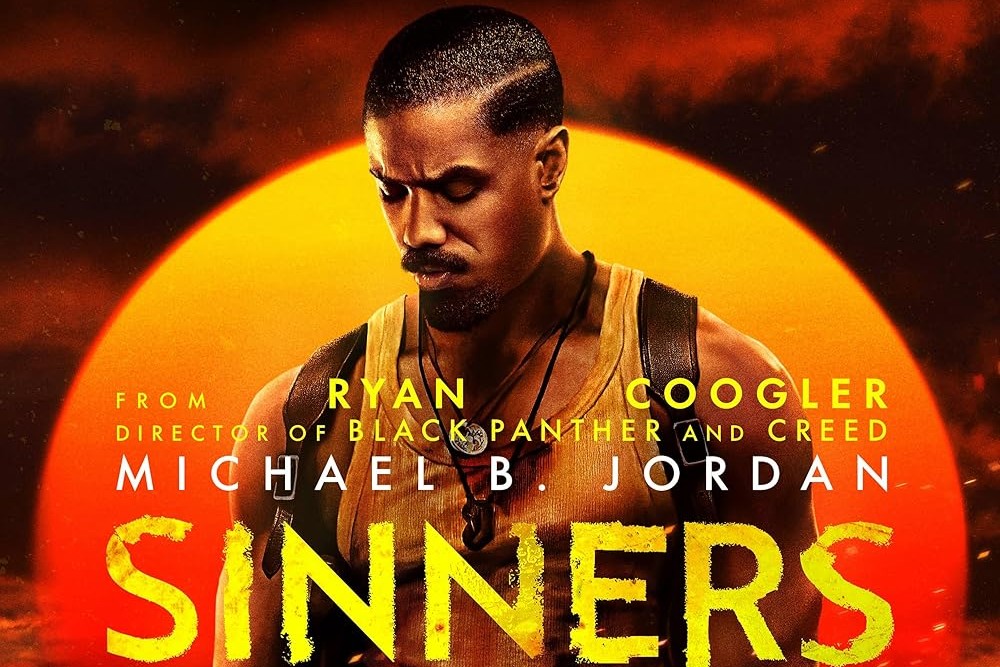
  • Sinners (2025)

    Sinners (2025)

    The first American Masala.

    Alright, to explain that a bit: I find something extremely moving about Indian epic cinema. At least partially it hits because of my own cultural connection to it, but it’s also that Indian cinema doesn’t treat their culture and traditions as rarefied specimen nor their history as sacred. They can gleefully mix melodrama, music, action and more to retell their stories in a way that suits them. The white man loves to hear about how bad he was and how noble the savages were in the face of everything they had done to them–and the kind of white man who sees that kind of film is very sorry now (but “look, it’s in the past now, and it’s not like we can fix what was done…”) but Indian cinema isn’t about that. It doesn’t revise or remix for pity. It says: we get to be the heroes of our stories. This isn’t about you. We’re cool as fuck. We’ve always been cool as fuck. So get reckt. 

    I have to admit that since seeing RRR I wondered if someone might take the baton of empowering historical revisionism and run with it for the Black American experience, and I’m thrilled that Ryan Coogler was able to escape the Marvel mines to create something like this–genre as cultural expression. Coogler explained himself that Sinners came from suffering the loss of his uncle:

    “Coogler admitted that, for most of his life, he thought of the blues as ‘old man music,’ but that changed after his uncle’s death. ‘A mourning ritual for me, in a way [to] ease that feeling of guilt and loss, I would play these blues records,’ said Coogler. ‘But,  I would play them with a newfound perspective, and I would kind of conjure my uncle.’”

    And that’s it! Through our art, our experience of that art, we can conjure our ancestors and pay them tribute. Honour them. Show them love.

    This is–obviously–barely subtext in Sinners. I suspect if you’ve been used to seeing yourself on screen the centrepiece musical sequence of this movie probably seems silly. And to be honest, Sinners is often ridiculous! But I felt nothing but a deep sense of solidarity watching this: a movie that doesn’t say “look at what we suffered” but “look at how we endured. Look at what you can never take away from us…

    …and look at what we’ll do to you if you ever try again.”

    Follow Mathew on Letterboxd.

  • Magic Spot (2022)

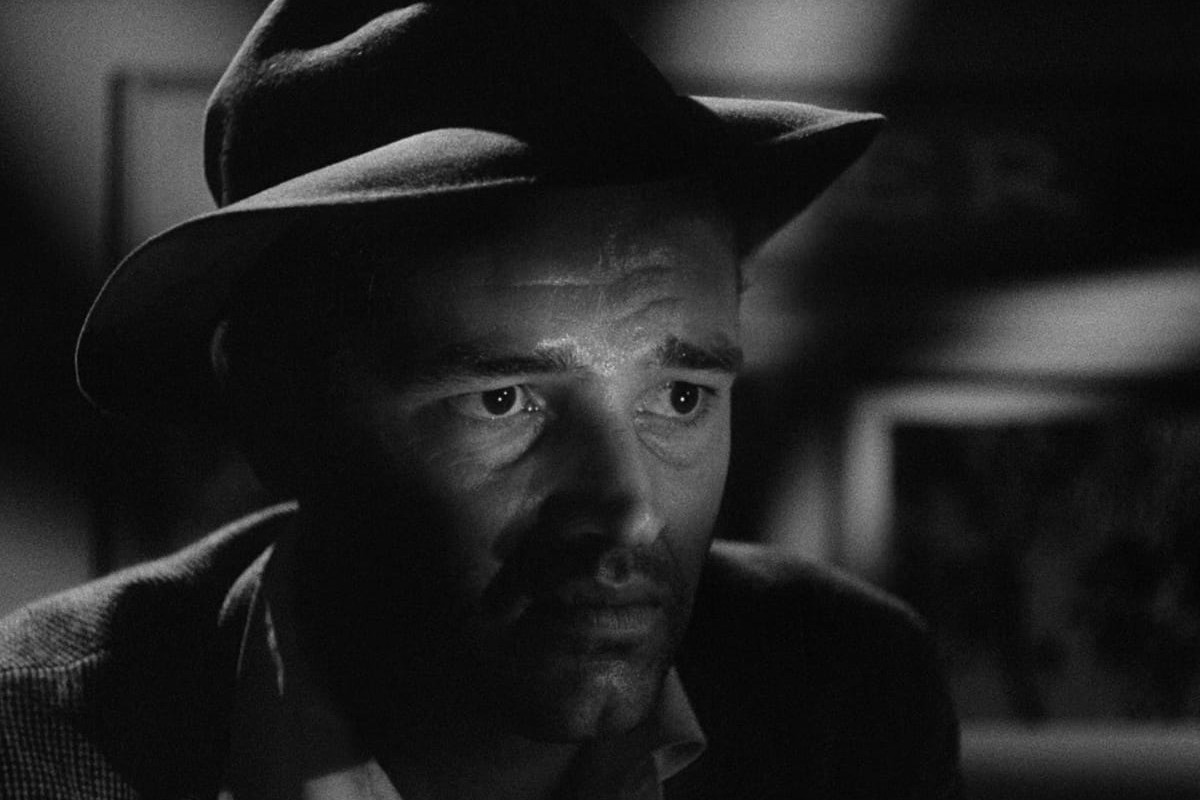
    Magic Spot (2022)

    So, uh, stick with me here. Have you ever seen the movie Winterbeast? No, not “Don’t Let The Riverbeast Get You!” I’m talking about the horror film from 1992 that was shot across six years with so little continuity that it doesn’t even manage a consistent format, bouncing between 8mm and 16mm as noticeably as actors’ costumes and facial hair change.

    It was during a screening of Winterbeast, years ago now, that I realised that, pretty much, all the things that you think are important in filmmaking aren’t. Professional acting? Continuity? It doesn’t matter a jot.

    What matters is if you’re able to invite the audience into the world you’ve created. Because once the person watching is enjoying themselves—if they care about (or are even just amused by) the characters, if they’re following the story—well, at that point, it doesn’t really matter if the main character is suddenly wearing a different costume and has a poorly glued-on moustache. Because a powerful cognitive dissonance has been unlocked, one that’s existed since actors took the stage: the audience’s ability to be aware they’re watching something that is not reality—even appreciate it—but also buy into the work’s internal reality.

    It’s not as simple as the viewer “letting” the fake moustache pass, or not noticing it; they don’t let it pass, and they do notice it. In fact, they enjoy it. It’s silly, and weird, but that friction can be similar to the experience of marvelling at spectacle. You’re in that world, but at the same time, you’re observing the work.

    The thing is, of course, it’s not actually that simple. It’s not that there’s no rules, you can’t make something intentionally crappy because then there’s no friction (as you never truly invite the audience into the world), and if creating something that hooks and then maintains an audience’s interest was so easy…

    Which is, I suppose, my roundabout way of trying to get to what makes the work of regional filmmakers Charlie Roxburgh and Matt Farley so special. They’ve taken what they have—no budget, non-professional actors made up of friends and family, and fleeting moments to film—and have created, in their way, a cinematic universe.

    These are works done, transparently, with open hearts. Works that understand you do the best with what you have, and take pride in that. Works that don’t sneer at themselves (although full of intentional laffs) and in turn, make it almost impossible for me to imagine being sniffy about (if you mock people doing their best… you’re a jerk).

    And don’t get me wrong. Roxburgh and Farley don’t make “inept” movies like Winterbeast. Noticing Farley’s wedding ring (why remove it and potentially lose it?) is barely an IMDB “goof”. They’re “just” movies with non-professional actors reading intentionally overwritten dialogue that drip with the frisson of cognitive dissonance. Telling you what is so inviting about them is as hard as trying to quantify how to hook and maintain an audience’s interest. You can read Robert McKee’s Story for that (and still probably fail).

    It’s also entirely possible that you won’t be on their wavelength; that you won’t be able to resonate with the signal. The earnestness, too, might trip you into fauntrum. Not everyone can meet a movie in the middle. But you should pick a Roxburgh/Farley joint and try.

    Anyway in Magic Spot two cousins use a magic rock to assist their uncle.

    Follow Mathew on Letterboxd.